
The quiet work of our chep
Aaron keeps a pretty low profile. If you follow him, you know his IG is private; he doesn’t do many interviews, and he generally keeps his focus on the restaurant, the work, the team, and his kids. He only takes opportunities outside of Archipelago if they align perfectly with our values and our mission. Because he stays so focused on the "why" behind the scenes, the true depth and scope of his work is rarely fully understood by the public.
He’s probably going to hate this, but I want to share the quiet work. With his recent recognition as a 2026 James Beard National Semifinalist for Outstanding Chef, I’m taking a moment to share the incredible journey of the person I see every day—a father, a chef, scholar, and social entrepreneur who is trying to make an intentional difference in the world.
The Global Architect of Heritage: How Aaron Verzosa is Redefining Culinary Sovereignty
In the landscape of modern dining, Aaron Verzosa occupies a distinct position as a practitioner whose work is defined by high-level research, community partnerships, and a deep reliance on sensory mastery. As the co-founder of Archipelago in Seattle and a 2026 James Beard National Semifinalist for Outstanding Chef, Verzosa has developed a culinary model that functions as an edible archive—one that balances the scientific rigor of his training with a profound commitment to the human element of cooking.
The Technical and Academic Foundation
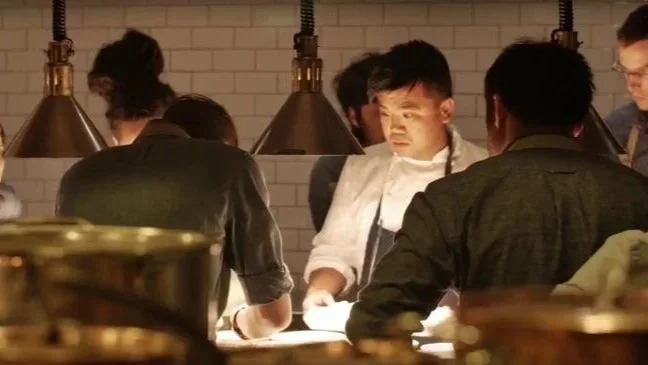
2015 SouthBites dinner at SXSW
Verzosa’s technical mastery is rooted in a deep respect for the culinary disciplines that shaped his early career. His formal education began at Seattle Central Culinary Academy. His trajectory was then defined by a tenure at Modernist Cuisine under Nathan Myhrvold, who eventually sent Verzosa to Paris to stage with David Toutain at Agapé Substance. This period allowed Verzosa to bridge the gap between modernist scientific rigor and the avant-garde artistry of the French tradition. Far from dismissing these influences, Verzosa views these foundations as frameworks of excellence. His work is an act of sophisticated "re-coding"—utilizing the understanding of world-class tools to demonstrate that Filipino flavors possess an inherent complexity that stands entirely on its own, independent of European standards.
This scholarly approach was fostered during his time as a linguistics student at the University of Washington under the preeminent historian Professor Vicente L. Rafael, who taught him to view food as a "text" capable of reclaiming a whitewashed history. It was further solidified by the mentorship of the "godparents" of Filipino culinary research, Amy Besa and Romy Dorotan. By following their lead in treating food as a context for culture and history, Verzosa has ensured that Archipelago is the direct intellectual descendant of a movement dedicated to honoring the Filipino past on its own terms.
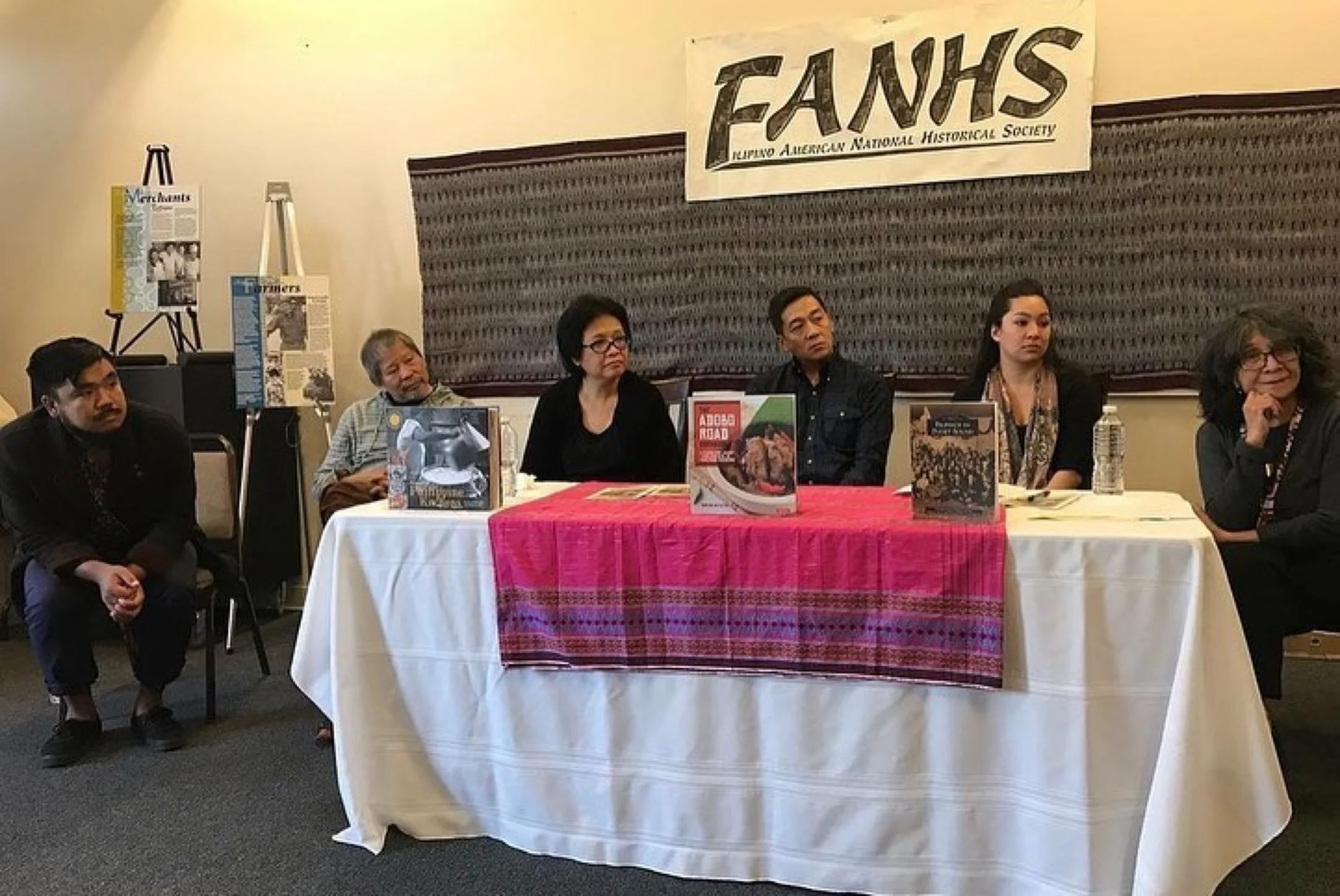
2017 Eat Drink Serve panel From left to right, Aaron Verzosa, Romy Dorotan, Amy Besa, Marvin Gapultos Briana Bergano-Kinney, and Dr. Dorothy Laigo Cordova.
The Ecology of Preservation: Anchors of Flavor
Central to Verzosa’s methodology is a rigorous commitment to environmental stewardship through a "Zero-Import" lens to embrace the adaptability of his ancestors who could not be tethered to ingredient, but anchors of flavor. Without access to year-round tropical staples, Verzosa relies on the transformative power of preservation to maintain a Filipino flavor profile in the Pacific Northwest. By exploring ingredients through every stage of their life cycle—such as utilizing black garlic and ferments to provide essential depth when fresh garlic is unavailable in winter—he ensures that zero-waste logic becomes a driver for innovation rather than a limitation.
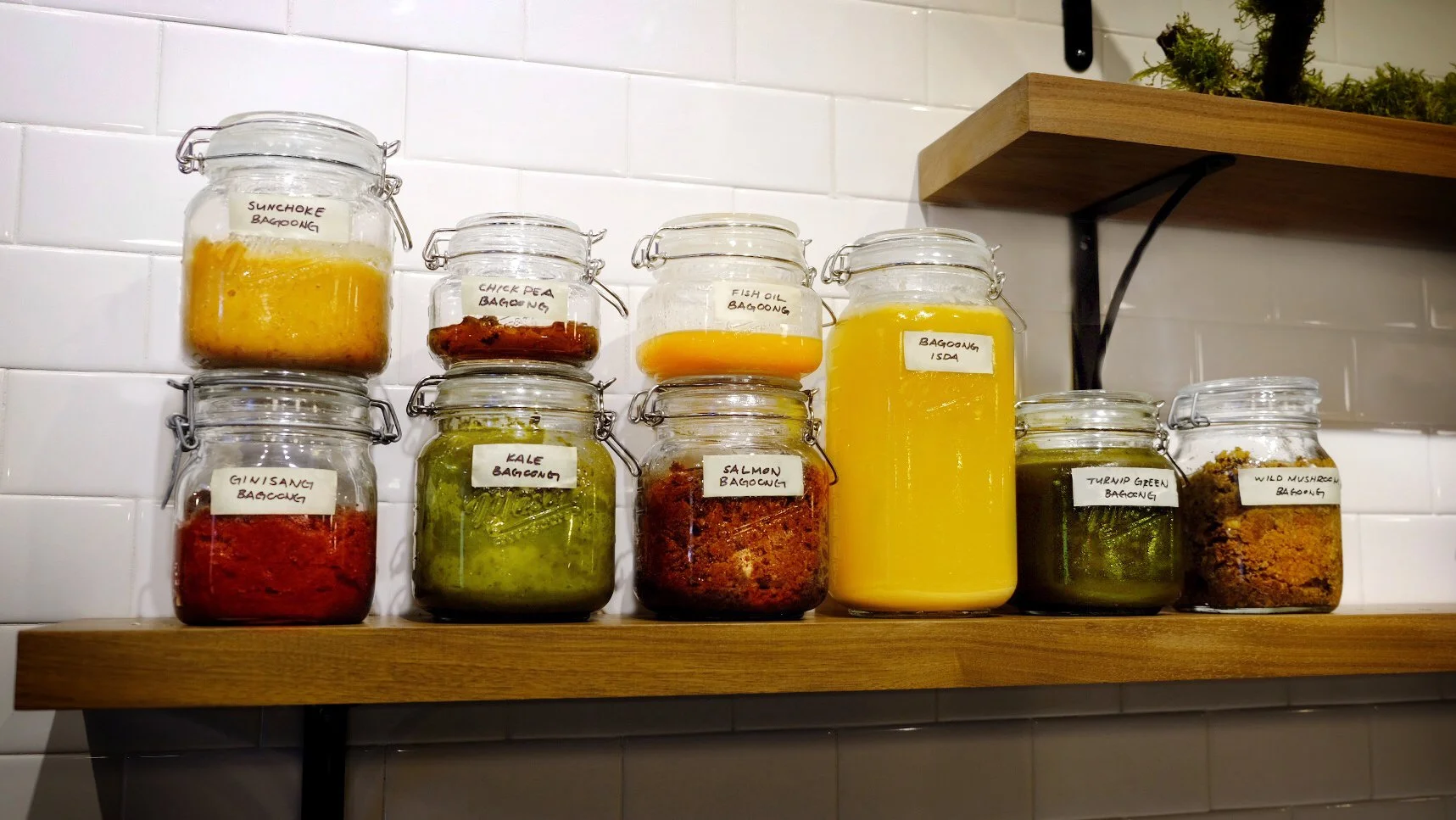
Our first full set of in-house fermented bagoongs and fish sauce in September, 2019. This variety allowed us to unlock Filipino flavors for any dietary restriction or preference thrown at us. From left to wright we have sunchoke, ginisang, chickpea, kale, fish oil, salmon, turnip, and wild mushroom bagoong.
The Community Classroom & Collective Equity
A primary differentiator in Verzosa’s work is his integration of the restaurant into the public education system. Archipelago operates as a Social Purpose Corporation and a dedicated partner to the Filipinx U.S. History Curriculum in Seattle Public Schools. As a father himself, Verzosa is deeply dedicated to the next generation, viewing this work as a vital investment in the cultural identity and future of his own children and their peers. By opening the restaurant as a "community classroom," he provides students with a tangible, sensory connection to stories—like those of the Alaskeros (cannery workers) or the Yakima Valley farmers—that have long been missing from standard textbooks.
Collaborating with the Filipino American National Historical Society (FANHS), Verzosa ensures every dish is a "cited" work of primary research. This foundational work was mirrored in Ilaw, a coalition co-founded in 2017 with leaders like Melissa Miranda and Chera Amlag, which unified the region’s Filipino food movement for the national stage. His leadership in these spaces earned him a seat on the global stage in late 2025 as a featured speaker at the American Academy in Rome, where he discussed food resilience and tradition in the face of climate change.

Verzosa speaking on behalf of ILAW during the 2017 Hidden Flavors Tour collaborative dinner.
Radical Hospitality: A Legacy of Love
The heart of Verzosa’s mission is a deeply personal commitment to universal inclusivity, rooted in his own family history. He credits his late father, Raymundo Verzosa, for the very reason he cooks at all—the kitchen was where he first learned that food is the ultimate gesture of care. Informed by his early background in Global Health, he views the dining table as a site of communal well-being and accepts ALL dietary restrictions and preferences as a mandate of respect.
This philosophy is born from the profound weight of personal loss and the memory of seeing loved ones excluded from the joy of a shared meal. For Verzosa, accommodating an allergy isn't a kitchen inconvenience; it is a vow to ensure that every guest can eat with total peace of mind—a protection he carries as a personal responsibility. Verzosa has created a sanctuary where the highest levels of culinary craft are used to honor the health, dignity, and life of every guest who walks through his doors.
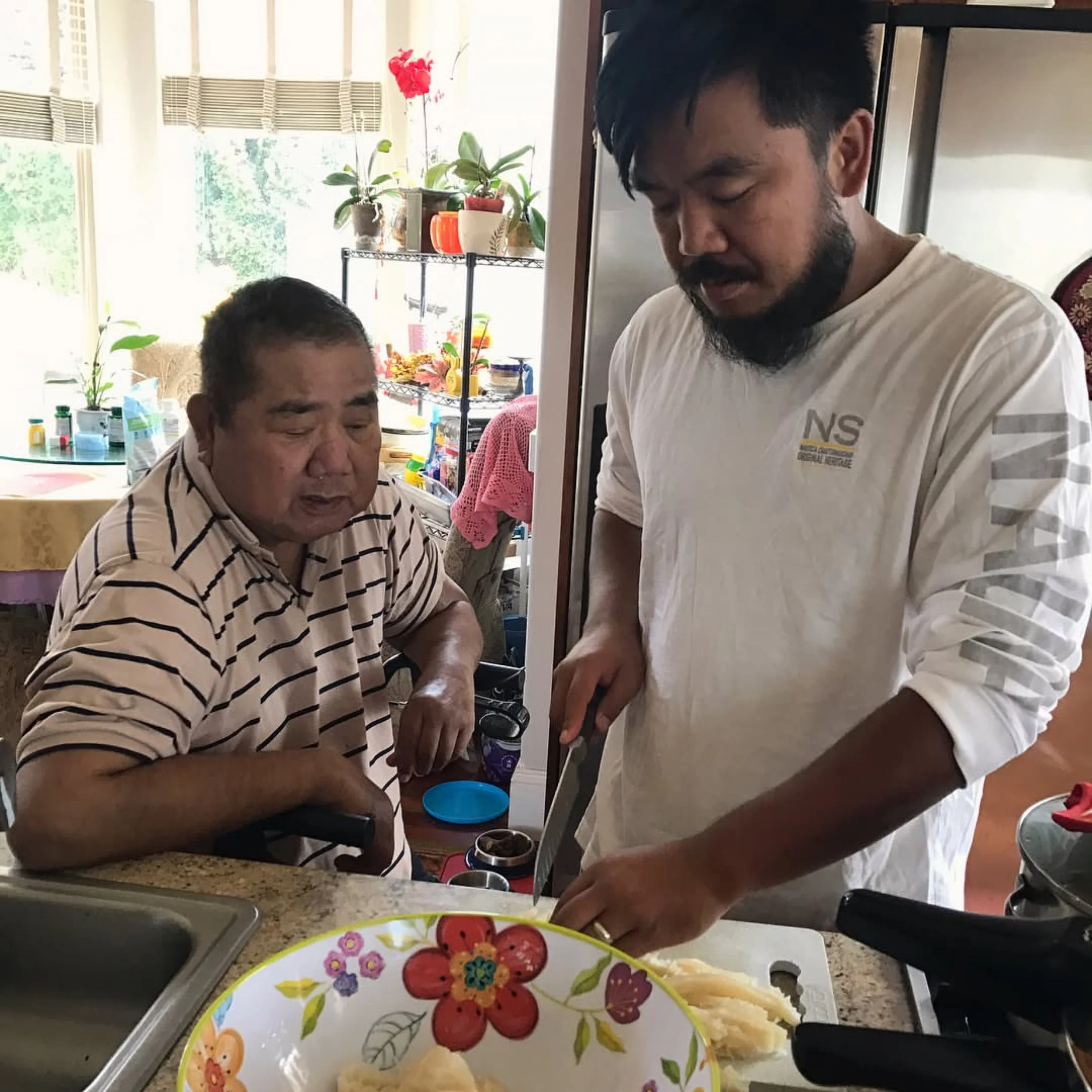
Verzosa cooking sinanglaw with his late father, Raymundo Verzosa, at his parent’s home in 2018
The Sustainable Individual: A New Model of Mentorship
Beyond high-level advocacy, Verzosa is dedicated to the individual mentorship and long-term health of his team. Recognizing that the hospitality industry has historically operated on a model of depletion, Archipelago prioritizes a sustainable human ecosystem where mental health and personal growth are foundational. For Verzosa, the restaurant is a classroom where the goal isn't just to produce elite chefs, but to empower people with the agency and confidence to become vocal contributors to their own communities. By investing in the personal journey of each individual, Archipelago ensures that the light of their mission doesn’t just burn bright for the guest, but sustains the people standing behind the counter.
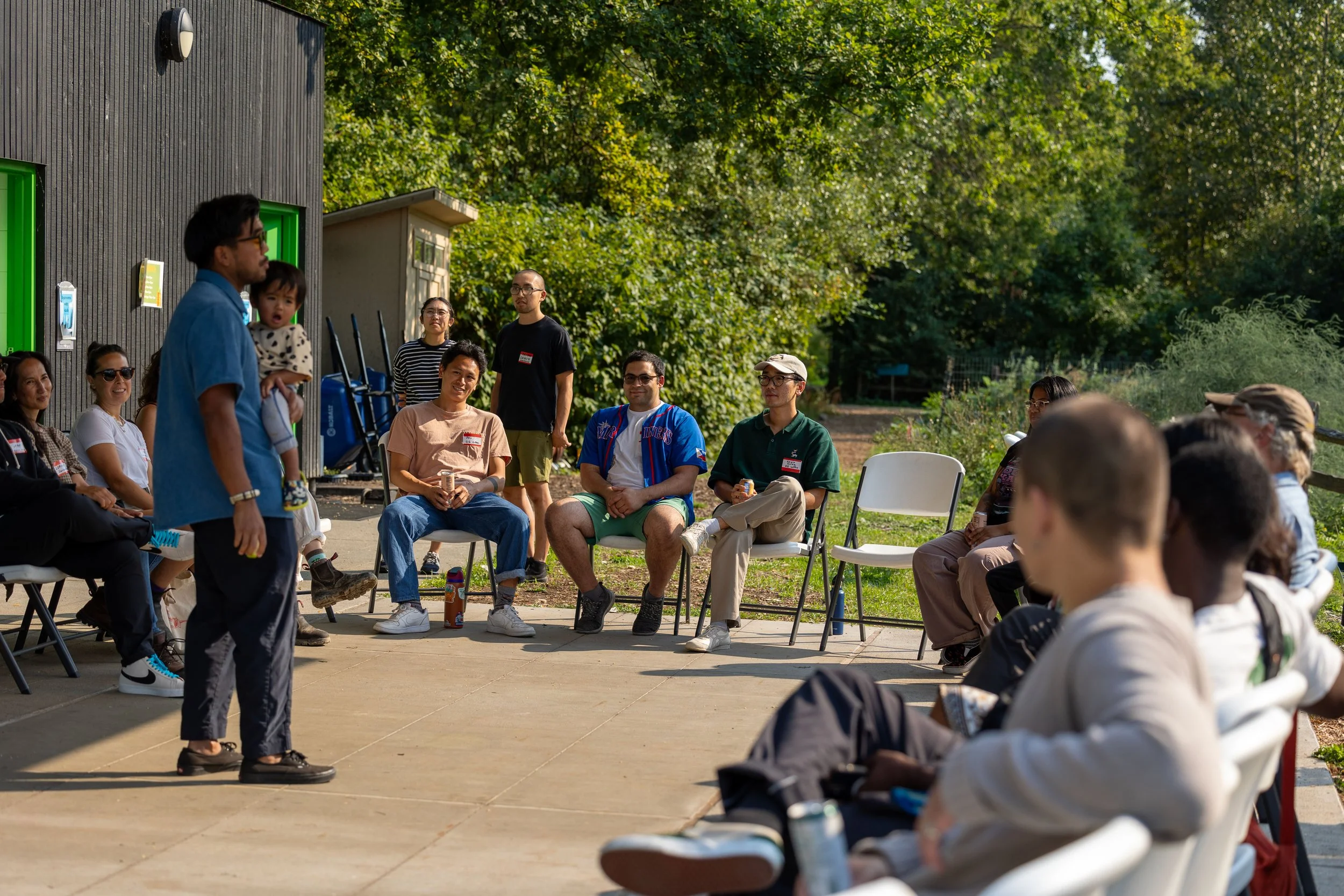
Verzosa kicking off Archipelago’s Break it Down, a food systems community event at Rainier Beach Urban Farm and Wetlands in 2024.
We never know what will come of these nominations, but as we reach the 10 year mark for Archipelago, it’s a beautiful thing to look back. Aaron Verzosa is not only an outstanding chef, but more importantly, an outstanding human being, a loving father, and a supportive partner.
He’s not perfect—and believe me, Archipelago and I aren't perfect either—but there is a constant, driving hope to foster positive change. We’ve had our fair share of learning the hard way and there is still so much room to grow, but I wanted to take a moment to pause and look back at the road behind us.
It’s been an incredible journey, and I’m so proud of you, Chep!